
Protecting Your Business from Evolving Threats
In today’s digital age, cybersecurity has become a critical concern for businesses of all sizes. With the increasing frequency and sophistication of cyber threats, protecting your business’s digital assets is more important than ever.
Understanding Cyber Threats Cyber threats come in various forms, including malware, phishing attacks, ransomware, and insider threats. These attacks can lead to significant financial losses, data breaches, and reputational damage. Understanding the types of threats your business may face is the first step in developing a robust cybersecurity strategy.
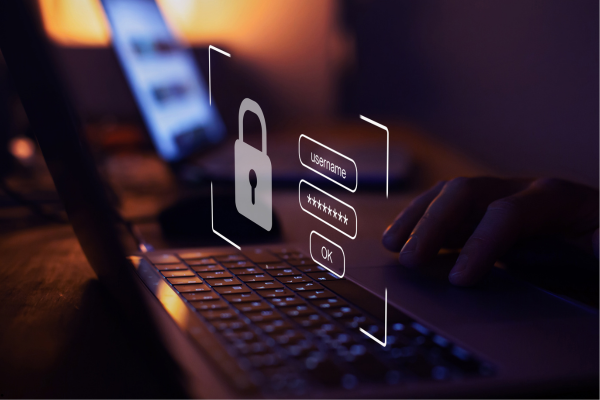
Implementing Strong Security Measures Implementing strong security measures is essential for protecting your business from cyber threats. This includes using firewalls, antivirus software, and encryption to safeguard your data. Multi-factor authentication (MFA) adds an extra layer of security by requiring users to provide two or more verification factors to access sensitive information.
Incident Response Planning Having an incident response plan in place is vital for minimizing the impact of a cyber attack. This plan should outline the steps to take in the event of a security breach, including how to contain the threat, notify affected parties, and recover lost data. Regularly reviewing and updating your incident response plan ensures that your business is prepared for any eventuality.
Staying Updated with Security Trends The cybersecurity landscape is constantly evolving, with new threats emerging regularly. Staying updated with the latest security trends and technologies is essential for maintaining a strong defense. Subscribe to cybersecurity news sources, attend industry conferences, and participate in professional networks to stay informed about the latest developments.


Employee Training and Awareness Human error is a common cause of cybersecurity breaches. Training your employees on cybersecurity best practices and raising awareness about potential threats can significantly reduce the risk of a cyber attack. Regular training sessions and updates on the latest threats help ensure that your team is well-prepared to identify and respond to security incidents.
Regular Security Audits Regular security audits are crucial for identifying vulnerabilities in your IT infrastructure. By conducting thorough assessments, you can pinpoint weaknesses and take proactive measures to address them. Security audits also help ensure compliance with industry standards and regulations, such as GDPR and HIPAA.
Conclusion In the digital age, cybersecurity is a top priority for businesses. By understanding cyber threats, implementing strong security measures, and fostering a culture of awareness and preparedness, you can protect your business from evolving threats. Investing in cybersecurity not only safeguards your digital assets but also ensures the long-term success and resilience of your business.